
Favorite Demolition Service Tools for Heavy-Duty Projects
Browse the most reliable and durable equipment options ideal for tackling large-scale demolition projects efficiently.
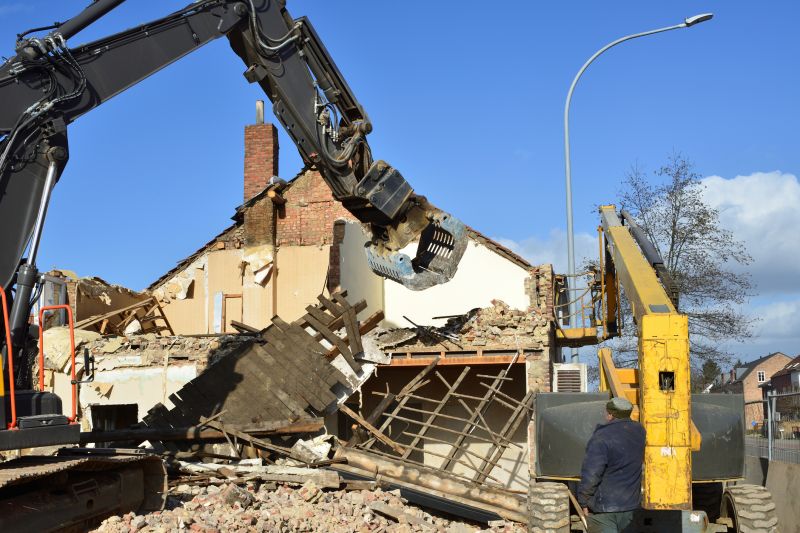 Demolition projects in Hampton, GA, require a variety of specialized tools and equipment to ensure efficient and safe operations. From residential demolitions to commercial teardown projects, selecting the right products can significantly impact the workflow and safety standards. Proper planning involves understanding the different types of demolition tools available, their specific applications, and how they can be integrated into your project. Whether you're breaking down walls, removing concrete, or dismantling structures, having the appropriate equipment is essential for achieving desired results while maintaining safety protocols.
Top Overall Option
Hydraulic Breaker Attachment
A hydraulic breaker attachment offers versatile power for breaking through concrete, asphalt, and other tough materials. Compatible with various excavators, it provides precise control and efficient demolition capabilities, making it a valuable addition to any demolition fleet. Its robust construction and adaptable design support a wide range of project sizes, from small-scale renovations to large-scale demolitions.
Types of Products For Demolition Service
Hydraulic Breakers
Heavy-duty attachments used with excavators for breaking concrete and rock.
Demolition Robots
Remote-controlled machines designed for precise dismantling and demolition tasks.
Sledgehammers
Hand tools ideal for breaking smaller structures and materials.
Pry Bars and Crowbars
Leverage tools for prying apart materials and removing nails or fixtures.
Concrete Crushers
Machines that crush concrete debris into manageable sizes for removal or recycling.
Dust Suppression Systems
Equipment designed to minimize dust during demolition activities.
Safety Gear
Protective equipment including helmets, gloves, goggles, and dust masks.
Wrecking Balls
Heavy balls used for large-scale structural demolition.
Hydraulic Shears
Attachments for cutting through steel and reinforced concrete.
Dumpsters and Debris Containers
Large containers for collecting and transporting demolition debris.
Jackhammers
Portable pneumatic tools used for breaking concrete and asphalt.
Scaffolding and Support Structures
Temporary frameworks to facilitate safe demolition access.
Lead and Asbestos Abatement Equipment
Tools and protective gear for handling hazardous materials.
Vibration Monitors
Devices used to measure and control vibrations during demolition.
Water Blasters
High-pressure washers for cleaning surfaces and reducing dust.
Popular Choices
Corded or cordless hammers suitable for light to medium demolition tasks.
Versatile tools compatible with excavators for various demolition applications.
Equipment to reduce airborne dust during demolition work.
Reliable tools for prying apart stubborn materials.
Powerful saws for cutting concrete and asphalt with precision.
Essential protective gear for head and face safety.
Effective for cleaning and dust suppression during demolition.
Small-scale excavators suitable for tight spaces and detailed demolition.
Equipment to stabilize structures during partial demolitions.
Conduits for safely directing debris from elevated work areas.
Tools for removing fixtures, nails, and smaller structural components.
Protective gear to reduce noise exposure during demolition.
Pads to minimize vibration impact on surrounding structures.
Tools designed for cutting through reinforced steel and rebar.
Transporting debris efficiently around the site.
Power sources for hydraulic tools and attachments.
In demolition work, versatility and durability are key qualities for tools and machinery. Heavy-duty equipment like hydraulic breakers and demolition robots can handle tough materials, while hand tools such as sledgehammers and pry bars are useful for more precise or smaller-scale tasks. Additionally, safety gear and accessories, including protective gloves, helmets, and dust masks, are critical components that should accompany any demolition toolkit. Investing in quality products tailored to your specific project needs can streamline operations and help prevent accidents.
Safety and efficiency are paramount in demolition services, especially in densely populated or structurally complex environments. Properly maintained equipment not only enhances productivity but also minimizes risks associated with debris, dust, and structural instability. Consulting with local suppliers and understanding the product options available in Hampton, GA, can assist contractors and DIY enthusiasts in making informed decisions. Remember, the goal is to complete demolition tasks effectively while prioritizing safety and compliance with local regulations.
Key Buying Considerations
- Assess the scale and scope of your demolition project to select appropriately sized equipment.
- Prioritize safety features and protective gear to ensure compliance and worker safety.
- Consider the types of materials you'll be demolishing, such as concrete, steel, or wood, to choose compatible tools.
- Evaluate the power source options, including electric, hydraulic, or pneumatic, based on site conditions.
- Check the compatibility of attachments with existing machinery or tools.
- Review the durability and build quality of equipment to ensure longevity in demanding environments.
- Factor in ease of use and maintenance requirements for efficient operation.
- Determine noise and dust control capabilities to meet local regulations and site safety standards.
- Identify whether rental or purchase options are more suitable for your project duration and budget.
- Research local suppliers in Hampton, GA, for availability, support, and service options.
- Consider mobility and storage needs, especially for larger equipment or frequent relocations.
- Look into additional accessories like debris chutes, support braces, and safety gear for comprehensive planning.
- Review user feedback and product reviews to gauge reliability and performance.
- Ensure compliance with local regulations and permits related to demolition activities.
- Evaluate the overall cost-effectiveness in relation to project requirements and timelines.